
Physiotherapy treatments in Bury
Looking for quality physiotherapy treatments in Bury? Get in touch with us today.
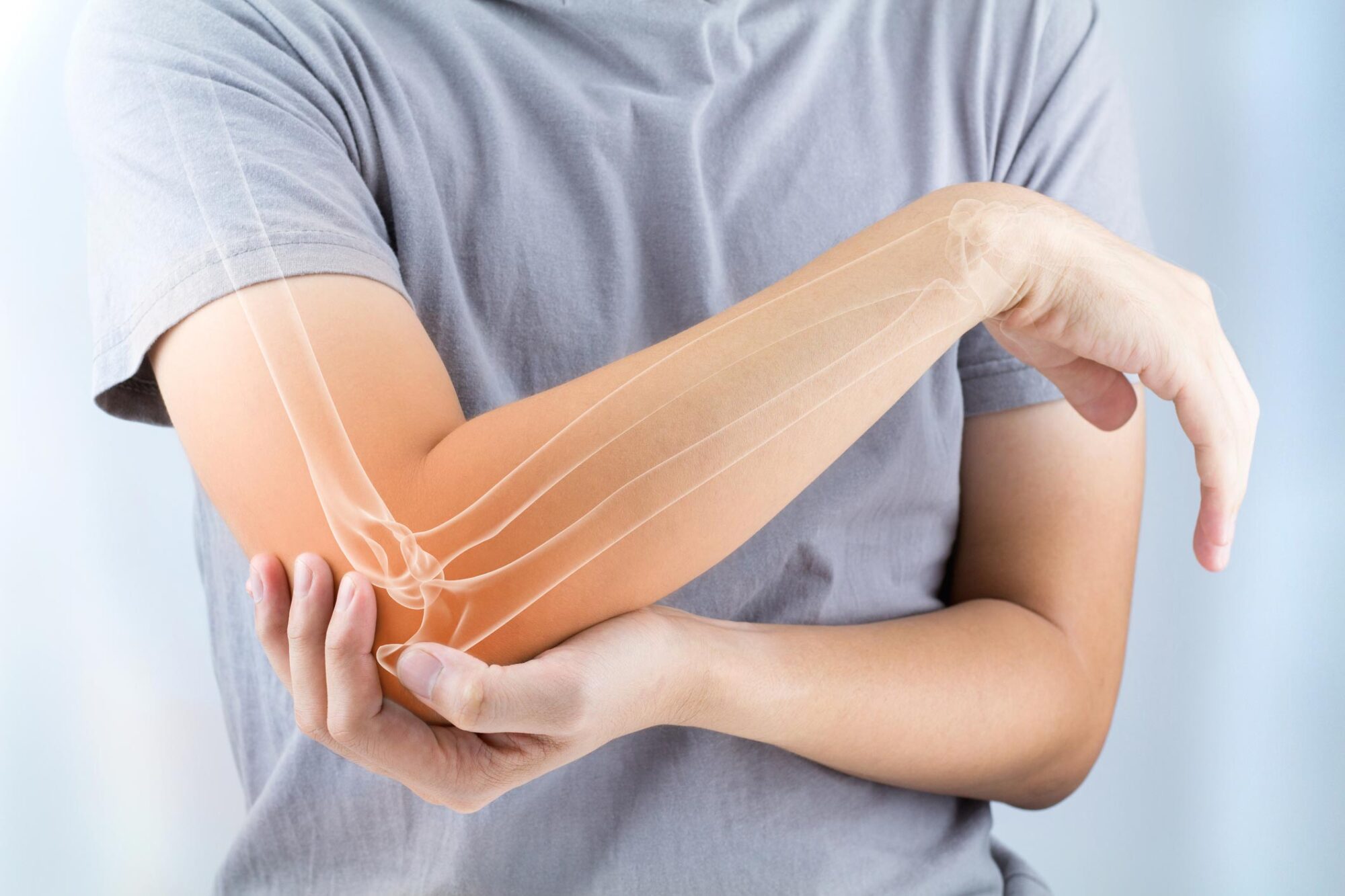
Our physiotherapy treatments are designed to help relieve pain, restore movement and support long-term recovery for a wide range of conditions.
We regularly treat arthritic pain, sports injuries, muscular strains and joint problems, using evidence-based techniques tailored to your individual needs.
If you need expert advice, feel free to call us today or booking yourself in for an appointment using our booking service.


Treatments at a glance
Arthritic Pain
Treatment focuses on reducing pain and stiffness while improving joint movement and daily comfort.

Sports Injuries
We treat acute and overuse injuries to support recovery and a safe return to activity.
Frozen Shoulder
Targeted therapy helps reduce pain and gradually restore shoulder movement.
Muscle & Joint Pain
A range of muscular and joint conditions are treated using hands-on therapy and exercise.

Massage Therapy
Massage and electrotherapy may be used to ease pain and support tissue healing.

Back & Neck Pain
Treatment aims to relieve back and neck pain, including related tension headaches.
Knee & Hip Pain
Care focuses on improving strength, mobility and long-term joint function.

Osteopath Care
Osteopath treatments can work alongside physiotherapy to support overall musculoskeletal health.
What does Physiotherapy treat
Bursitis
Bursas are small fluid-filled sacs that provide a cushion between bones and tendons or muscles around a joint. They help reduce friction between the bones and allow free movement at the joints. Bursas are filled with synovial fluid and are located around most major joints of the body.
Trochanteric bursitis is one of the most common types of bursitis. Painful inflammation of the bursa located near the greater trochanter is a characteristic of Trochanteric Bursitis. Running and accidents such as falls are potentially associated with trochanteric bursitis.
Hip Pain
Hip joint forms the primary connection between the bones of the lower limb and the trunk and pelvis. Hip pain may cause pain in other body parts too. Some people may feel pain in the lower back, groin, legs or in the muscle of the hip joint itself. This is called referred pain - pain experienced in one area of the body is actually generated in another region. Pain from the hip joint may be felt in the inner thighs. Pain on the outside of the hip is usually not caused by a hip joint problem, and is mostly related to Trochateric Bursitis or a trapped nerve in the lower area of the back, resulting in pain in the lower back.
Lower Back Pain
Back pain is a common problem that most adults face across the globe. Up to 85% of people worldwide suffer from back pain during their lives and almost 50% of the working population experience back pain symptoms at least once a year.
Office employees who sit at the desk for long hours experience back pain. It is also prevalent among sportspeople with specific over-developed or under-developed muscles. Lower back pain can originate from a weak lower back, tight hamstrings, weak or over-developed abdominal muscles, weak gluteus muscles, or a combination of any of the above.
Neck pain
Neck pain can be caused by numerous spinal problems even though it is felt in the neck area. It may be caused due to muscular tightness in both the neck and the upper back or due to the pinching of the nerves emanating from the spine. Joint disruption in the neck or the upper back can be another factor for neck pain.
The lower neck and the upper back support the head, and these areas are commonly responsible for causing neck pain. The head is supported by a structure formed by the lower joints in the neck and those of the upper back. If this support system is affected adversely, then the muscles in the area will tighten, causing neck pain.
Shoulder pain
Shoulder pain is one of the most common problems in today's world. As the shoulder is a highly movable joint, it has a high risk of instability. Many problems may arise due to this instability, the most common being the subacromial impingement.
Subacromial impingement occurs whenever there is narrowing in the space inside the shoulder joint. Normally the soft tissues have enough space to slide inside the shoulder. Due to inflammation, these structures swell up and contribute to the loss of space. The loss of space causes the bones to pinch the soft tissues, causing the pain.